Learning Outcomes
i. Comprehend the negative effects of smoking on lung function and the circulatory system.
ii. Connect smoking with increased risks of respiratory diseases and circulatory disorders.
iii. Recognize the critical importance of maintaining lung health and the benefits of clean air.
i. Harmful Effects of Smoking
Smoking tobacco is detrimental to health, primarily affecting the lungs and the heart:
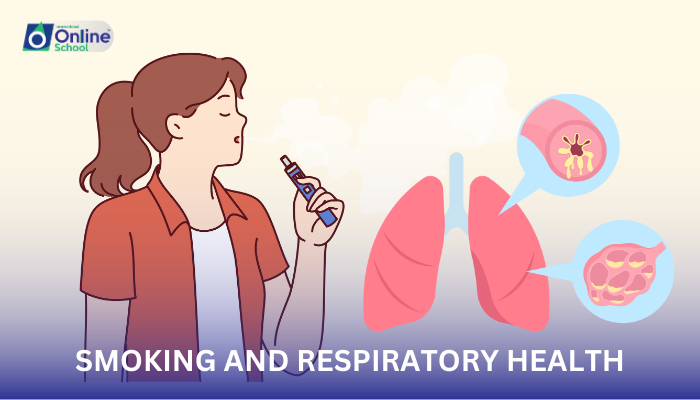
Lung Damage: Smoking introduces carcinogens and toxins that damage the lung tissue, leading to diseases like chronic bronchitis, emphysema, and lung cancer.
Reduced Lung Function: The inhalation of smoke impairs the function of cilia in the respiratory tract, decreasing their ability to clear mucus and increasing the risk of infection.
Impaired Gas Exchange: The alveoli can be damaged by smoking, reducing the lungs' capacity for oxygen and carbon dioxide exchange.
ii. Smoking and Respiratory Diseases
Chronic Obstructive Pulmonary Disease (COPD): Smoking is the leading cause of COPD, a group of lung diseases that block airflow and make it difficult to breathe.
Lung Cancer: Smokers are significantly more likely to develop lung cancer than non-smokers.
Asthma: Smoking can trigger asthma attacks and make the management of asthma more difficult.
iii. Smoking and Circulatory Disorders
Heart Disease: Smoking increases the risk of heart disease by damaging the lining of arteries, leading to the buildup of plaque, which narrows the arteries and reduces blood flow.
Hypertension: Chemicals in tobacco can increase blood pressure and heart rate.
Stroke: Smoking contributes to strokes by increasing clot formation, thickening blood, and narrowing arteries.
iii. Importance of Lung Health and Clean Air
Prevention of Disease: Avoiding smoking is a critical step in preventing respiratory and circulatory diseases.
Environmental Impact: Clean air, free from pollutants like tobacco smoke and industrial emissions, is essential for lung health.
Public Health Measures: Smoking cessation programs, legislation to limit smoking in public places, and education about the dangers of smoking are important public health strategies.
In conclusion, smoking has far-reaching and well-documented impacts on respiratory and circulatory health. It contributes to a range of serious diseases that can be prevented through smoking cessation and supportive public health policies. Emphasizing the importance of lung health and advocating for clean air are essential to reduce the burden of these conditions and improve overall health outcomes. Understanding the harmful effects of smoking is crucial for motivating individuals to quit and for preventing the initiation of smoking, especially among the youth.
